
How Watching Mosquitoes Fly Could Transform Dengue Prevention

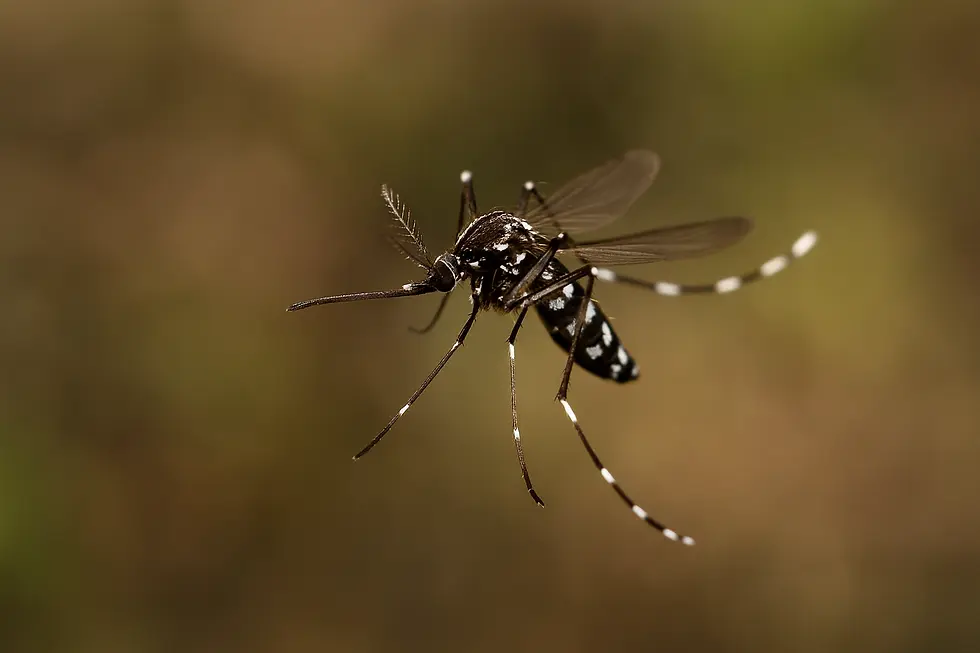
Detecting dengue-infected mosquitoes usually means capturing them and running lab tests—a slow, resource-heavy process that doesn’t reflect what’s happening in real time out in the environment.
But new research from CSIRO Health & Biosecurity and Deakin University suggests there may be another way to spot infected mosquitoes: by simply watching how they fly.
Using infrared cameras, researchers recorded the 3D movements of Aedes aegypti, the primary dengue vector. They then translated these flight paths into coordinates and analyzed them with machine-learning models like XGBoost, Random Forest, and AdaBoost.
What they found is striking: mosquitoes infected with dengue consistently change the way they move. They become more active and cover a larger volume of airspace than healthy mosquitoes. When the models analyzed short flight sequences, just 250 frames, they achieved accuracy rates above 80%, and in some cases more than 95%. In other words, dengue infection leaves a measurable mark on a mosquito’s motor behavior.
This insight broadens how we think about mosquito surveillance. It highlights that Aedes aegypti is not just a biological carrier but an organism whose behavior can tell us important things about disease circulation. If we can identify infected mosquitoes through movement alone, it opens the door to earlier detection, smarter intervention, and prevention strategies grounded in real-time observation rather than reactive measures.
At Earthwise, we believe knowledge is prevention. Understanding the behavior of Aedes aegypti—including how dengue subtly alters its flight—helps strengthen the global fight against arboviruses. By following and sharing research like this, we can promote more informed, proactive approaches to public health.


Comments